Dry eyes occur when you produce too little tear fluid or when your tear film evaporates too quickly. As a result, your eyes may burn and sting, produce mucus or turn red. Vision often fluctuates, you see blurry now and then, and you become more sensitive to light. Dry eyes can disrupt your daily life considerably, but fortunately there are plenty of painless treatments that make your vision comfortable again.
Symptoms of dry eyes
Red eyes
Pain
Watering eyes
Tired eyes
Less sharp vision
Itching or a gritty feeling in your eyes
Sensitivity to light
Discomfort when wearing lenses
Irritation by wind, smoke, etc.
Blurred vision
Treatment of dry eyes
Bear in mind that there is no ready-made, quick fix. A good result calls for a thorough approach over a longer period, often combining several methods at once. After the examination, the ophthalmologist suggests the treatment that suits you best.
Artificial tears
Artificial tears are drops that supplement your own tear fluid and so increase the amount of moisture on your eye. They are often prescribed alongside another treatment.
Punctal plugs
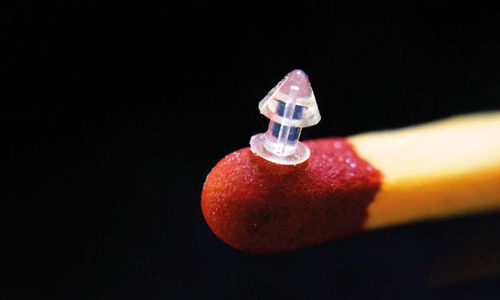
If you produce too little tear fluid or its quality is insufficient, we can close the small drainage channel for tears in the lower eyelid with a plug. The tears then stay on the eye longer and keep it better moistened. Such a punctal plug looks like a tiny champagne cork and cannot be seen in the eye.
Food supplements
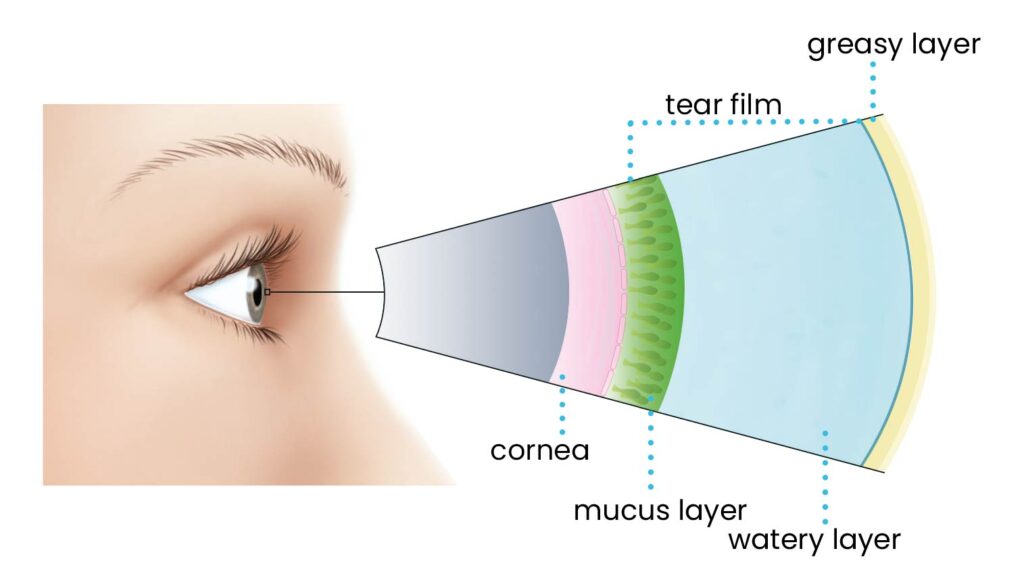
A healthy tear film keeps your eyes moist and your vision sharp. The outer layer, a thin film of oil, is produced by the meibomian glands and protects the tear fluid from evaporating. If these glands produce too little oil, your tears dry up too quickly and you experience fluctuating vision and tired or watering eyes. An omega-3 supplement (fish oil) can then help: it increases the amount and improves the quality of the oil the meibomian glands produce.